
2026
School gardens are now named in California's $500 million school food fund
We set out to win $25 million for garden-based education. We ended the budget season with school gardens written into the $500 million Kitchen Infrastructure and Training (KIT) Fund. Here is what we asked for and what came of it.
What we set out to do
In early 2026 we asked the state for $25 million, one time, for garden-based education in K-12 schools, through the Farm to School Program at the California Department of Food and Agriculture (CDFA). Senator Sasha Renée Pérez championed the request. We also worked with the Senate Agriculture Committee on a bill to move the old, unfunded Instructional School Garden Program to CDFA, where Farm to School was already paying for garden education.
Our case rested on two things. Federal nutrition education money from the Supplemental Nutrition Assistance Program Education (SNAP-Ed) was disappearing. And garden-based education delivers the same nutrition lessons at low cost, in gardens many schools already have: 50% of schools have gardens but only 9% use them for learning. Access is uneven, too: 72% of programs are in wealthier districts.
April 9 and 10, 2026
Advocacy Day
33
Advocates from six regions
41+
Meetings with legislators and staff
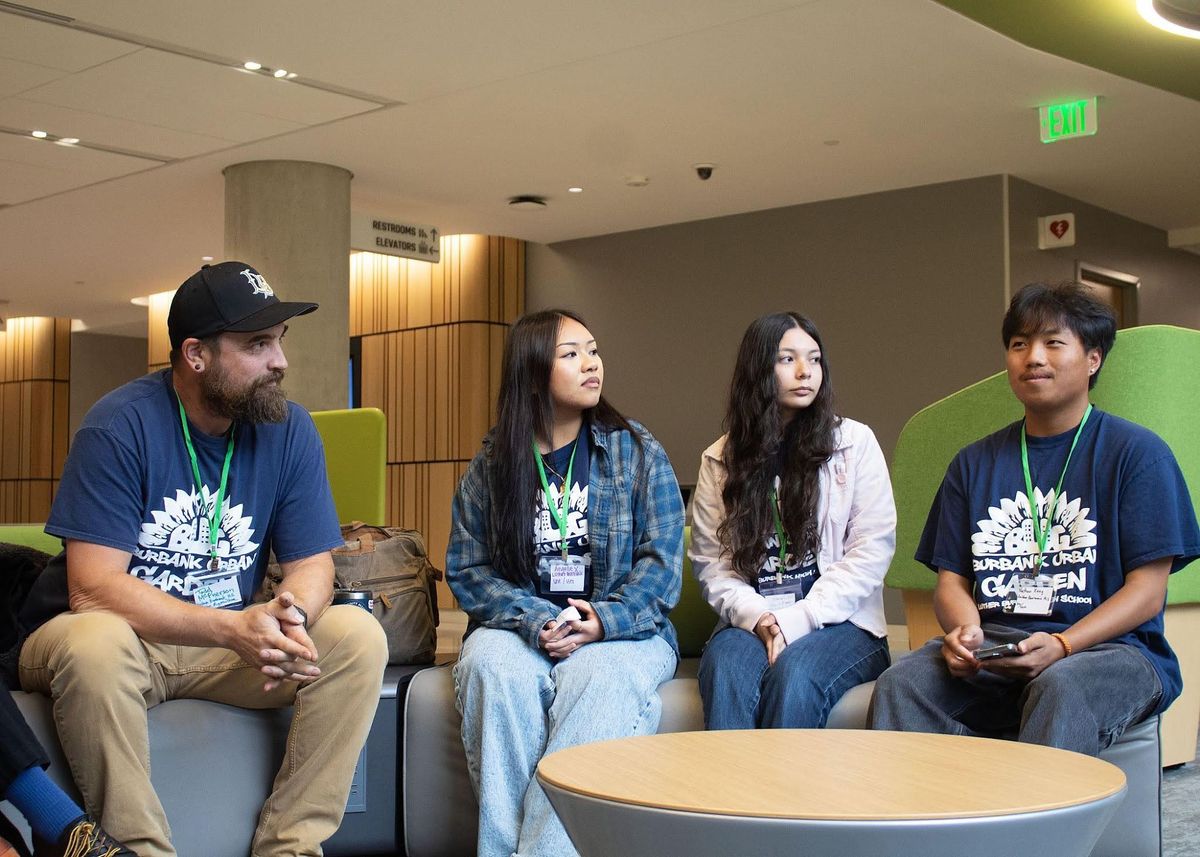
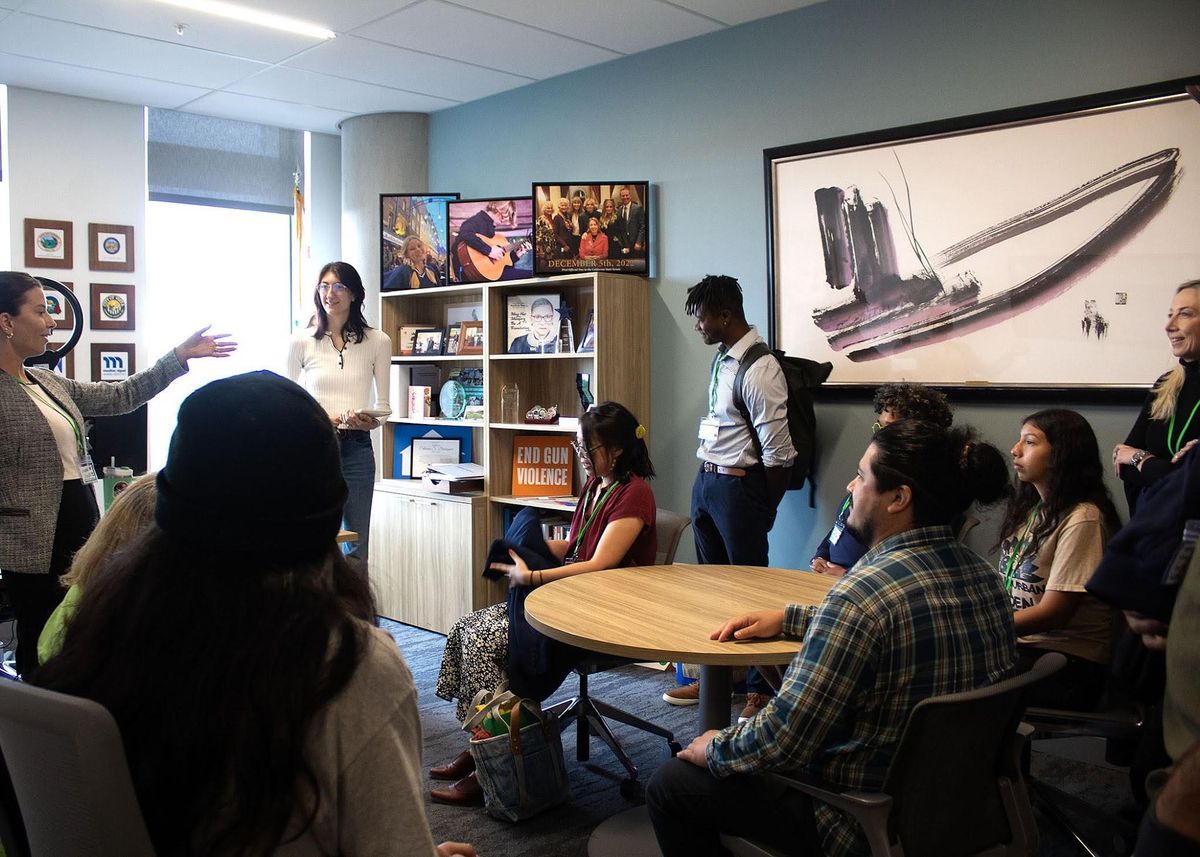
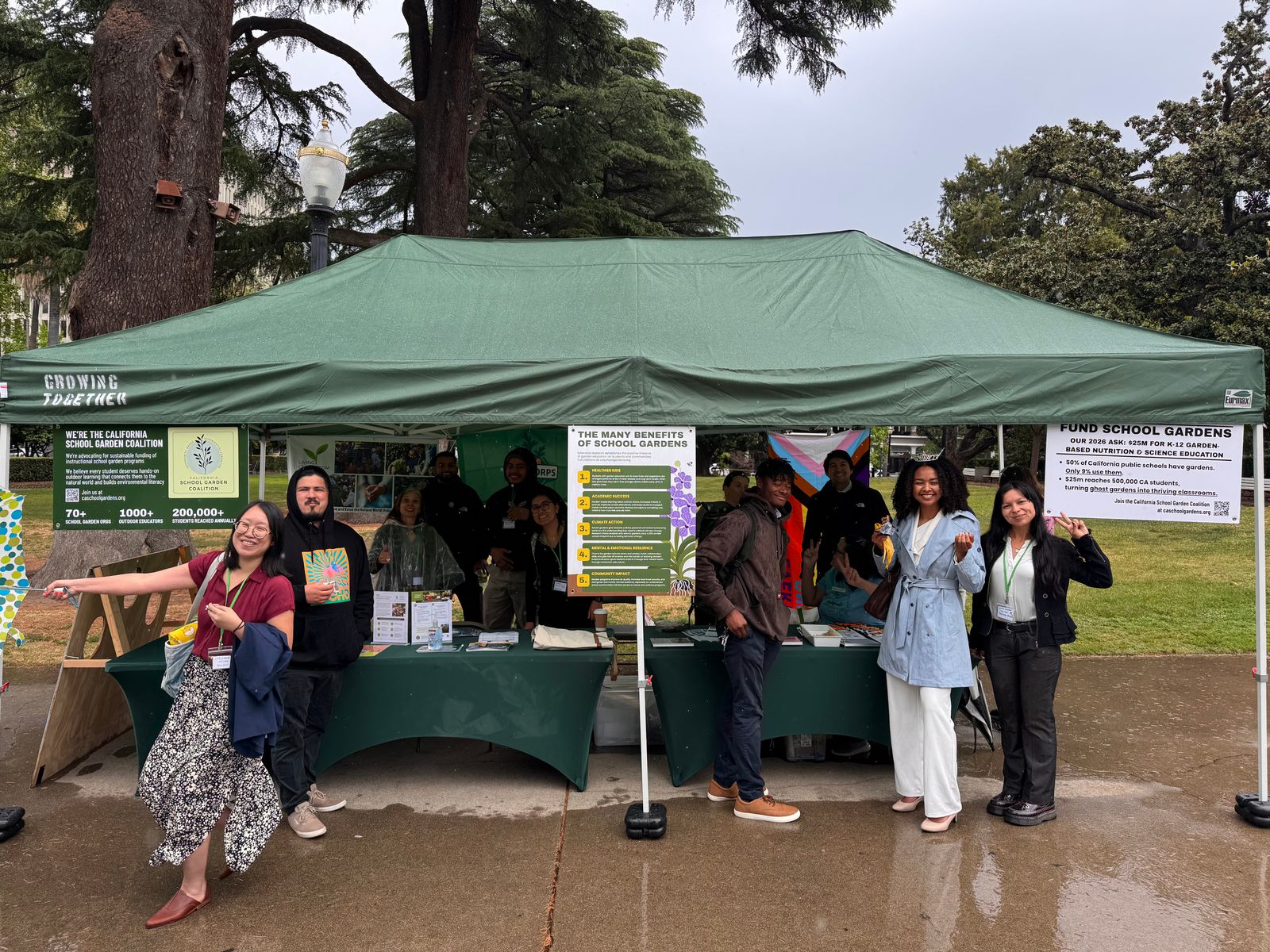
Thirty-three advocates from the Bay Area, the Sacramento region, the Central Valley, Los Angeles, San Diego and the Central Coast gathered in Sacramento. Counting video follow-ups in the weeks after, we held more than 40 meetings with legislators and their staff, some scheduled and some drop-in. A majority of the offices we met called themselves supportive or leaning supportive of the request.
Students from Burbank Garden Academy told legislative staff what their garden internships had meant to them. They were some of our most persuasive advocates.
What happened
We spent most of the budget cycle pursuing the $25 million. After the Governor's May budget update (the May Revision), we pivoted to the extra school money coming through Proposition 98, California's school funding guarantee. School garden activities were written into the KIT Fund instead, with a much larger one-time amount from the state's main budget.
Hands-on food education is in the fund because of Senator Pérez and her legislative director, Fernando Ramirez. We supported their work throughout.
The result
$500M
One-time, five program areas
The KIT Fund is $500 million, spread across five program areas:
- Kitchen infrastructure that supports serving fresh, whole foods
- Some staffing and training that supports serving fresh, whole foods
- Procurement of fresh, whole, sustainably grown California foods
- School food pantries
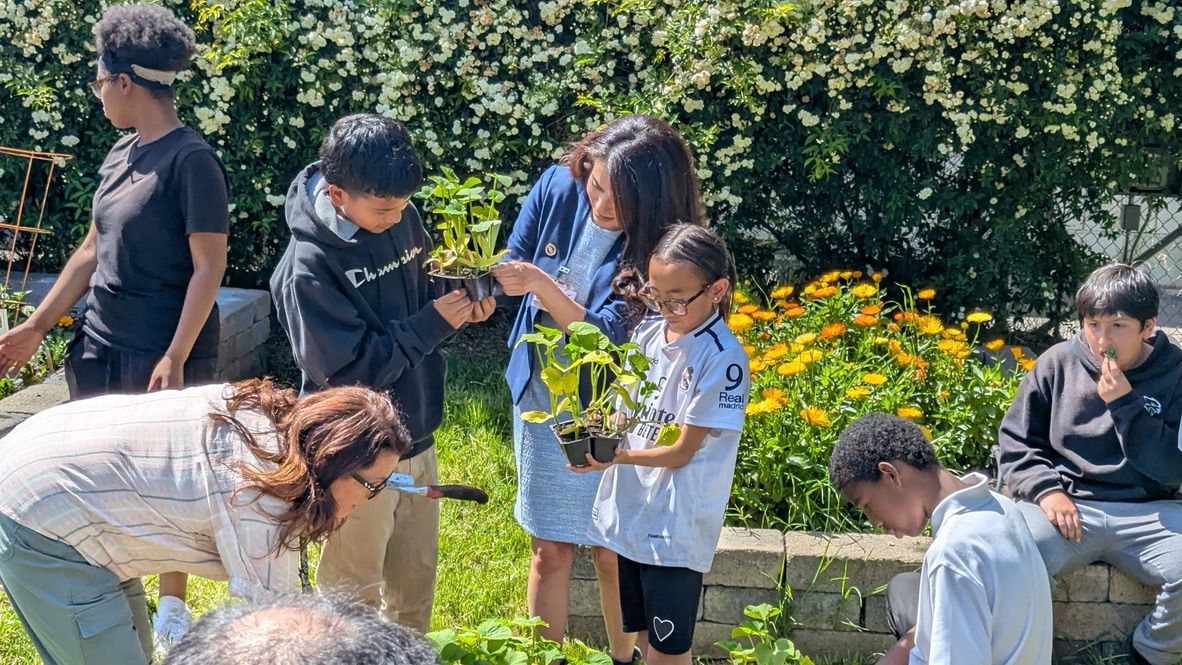
- Hands-on food education, including activities in school gardens, on farms and in culinary classes
The fourth and fifth areas are new in 2026. School food authorities (SFAs) now have a named source of funding they can use toward school garden education through their nutrition services departments, and community partners can deliver the education with them.
An SFA is a school district, county office of education, or charter school that runs both federal school meal programs: the National School Lunch Program and the School Breakfast Program. Most are school districts.
Where the money comes from
$100 million came from the state budget and $400 million from the education omnibus bill. How the money works, who receives it and when, is on our 2026 KIT funding page.
From the ask to the money
Winter 2026
Legislator outreach, a budget champion, the request letter
Early spring 2026
Budget subcommittee hearings, Advocacy Day, public testimony
Late spring 2026
The May Revision and the pivot to Proposition 98 funding
July 9, 2026
Signed into law: the KIT Fund names hands-on food education
Fall 2026 to early 2027
The California Department of Education (CDE) sets the formula, the guidance and the opt-in process
First half of 2027
Funds expected to reach SFAs that opt in
CDE sets the dates.
June 30, 2030
Deadline for SFAs to commit the money
June 30, 2031
Final report due
What comes next
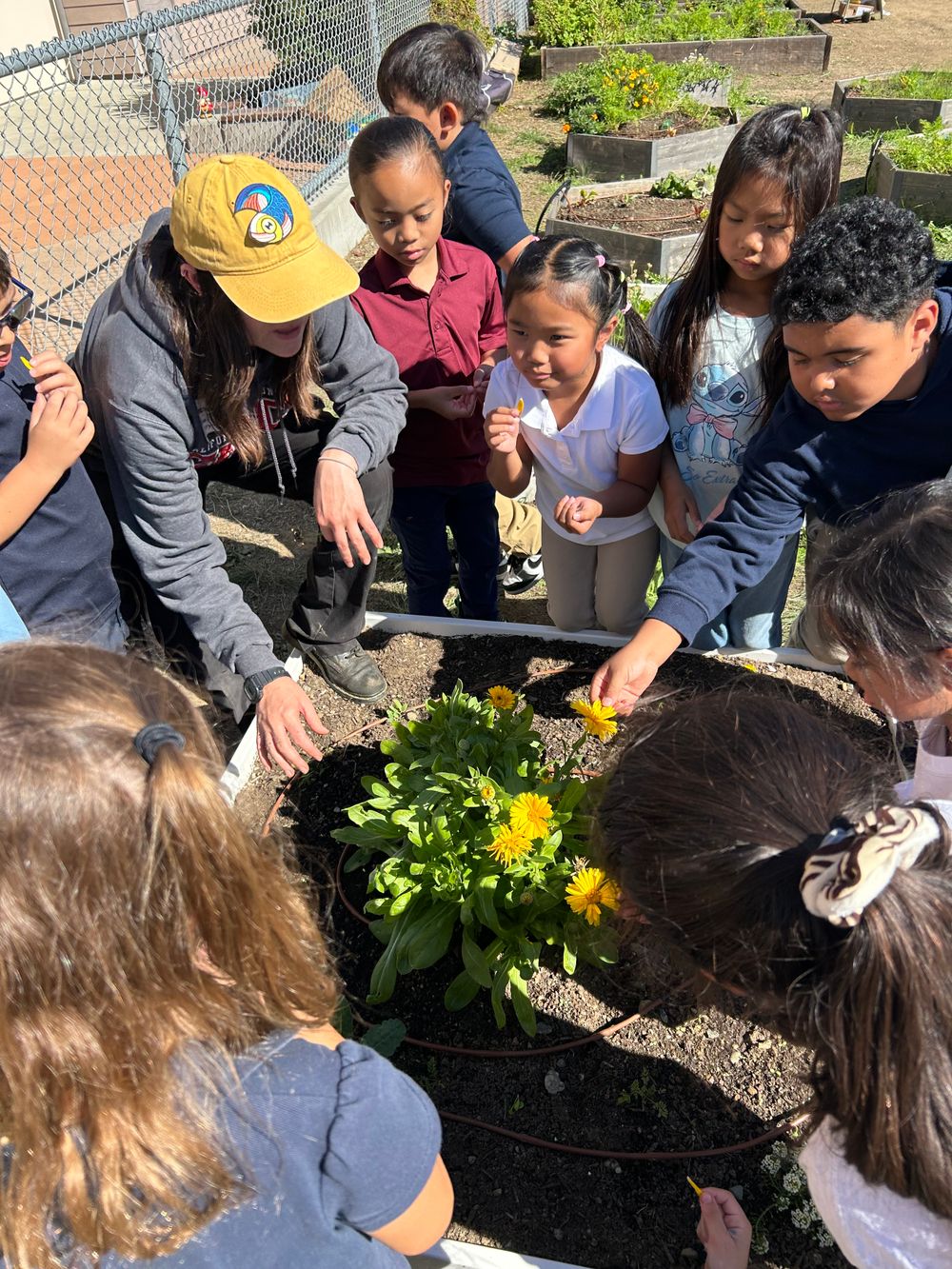
Money in a budget does not put a garden educator in front of students on its own. Nutrition services departments will need help planning with the community organizations and school leaders who are ready to deliver these programs. Community organizations will need help approaching SFAs and growing into contracted providers. So our work has changed shape:
- Toolkits and trainings for both audiences. The toolkit for community organizations comes first: case studies of districts partnering with them, outreach templates for principals and nutrition services directors, and the funding timeline. Help shape the draft: join us Wednesday, October 21, 3:00 to 4:00 PM PT, on Zoom. The toolkit for SFAs follows.
- Partnering with CDE, which invited us to host training webinars on using the funds for hands-on food education and garden activities.
- Raising $80,000 for project management through mid-2027, while SFAs make their first plans for the money.
2030
SFAs commit the money by June 30
This took all of us
- Our legislative champion Senator Sasha Renée Pérez, Senator John Laird, and the many elected officials, committee members and consultants who supported this effort
- Everyone who signed our 2026 letter of support, and everyone who signed the 2025 letter for SB 341, which built the relationships this year's win needed
- Everyone who came to Sacramento for Advocacy Day in both years
- Our leadership team, for the hours every week of strategy and follow-through
- Our funders, large and small
- The people who made introductions in Sacramento and gave us advice
- The grassroots leaders, teachers and parents who have spent years, sometimes generations, building these programs in their school communities
The documents behind the ask
$25 million budget request overview
The one-page summary we shared with legislative offices. · Google Doc
Our 2026 budget request letter
The letter of support for the $25 million request, signed by 70 organizations and individuals. · Google Doc
March 18, 2026 coalition meeting resources
Notes, slides and the recording from the coalition meeting where we shared the advocacy strategy. · Google Doc
Communications toolkit
Talking points and shareable language for the 2026 campaign. · Google Doc
Legislator talking points
What we said in the meetings. · Google Doc
Farm to School funding dashboard
Where CDFA's Farm to School money has gone, by region.
The timeline continues
Later · Now to 2030
What comes next
SFAs have until June 30, 2030 to commit the money.
Earlier · 2025
SB 341 built the relationships
It did not pass, but it built relationships in Sacramento.