Skip to content
California School Garden Coalition

Legislation

How school garden education reached the state budget

We came together to win sustainable funding for school garden education. We built the case with data, history, research and the programs already running. In 2025 we sponsored a bill, SB 341. It did not pass, but it built relationships in Sacramento. In 2026 we came back and helped get school garden education named, for the first time, in California's $500 million Kitchen Infrastructure and Training (KIT) Fund. Now the work is putting the money to use.

Now to 2030

What comes next

The program is now permanent in the Education Code. The funding is not yet annual.

Our goal is ongoing KIT funding. School food authorities (SFAs) have until June 30, 2030 to commit the money. By then we want measured results that show decision makers what partnerships between state agencies, SFAs and community organizations did for students.

An SFA is a school district, county office of education, or charter school that runs both federal school meal programs: the National School Lunch Program and the School Breakfast Program. Most are school districts.

We have no dedicated funding for this phase. That is the gap we are asking you to help close.
Help fund this work
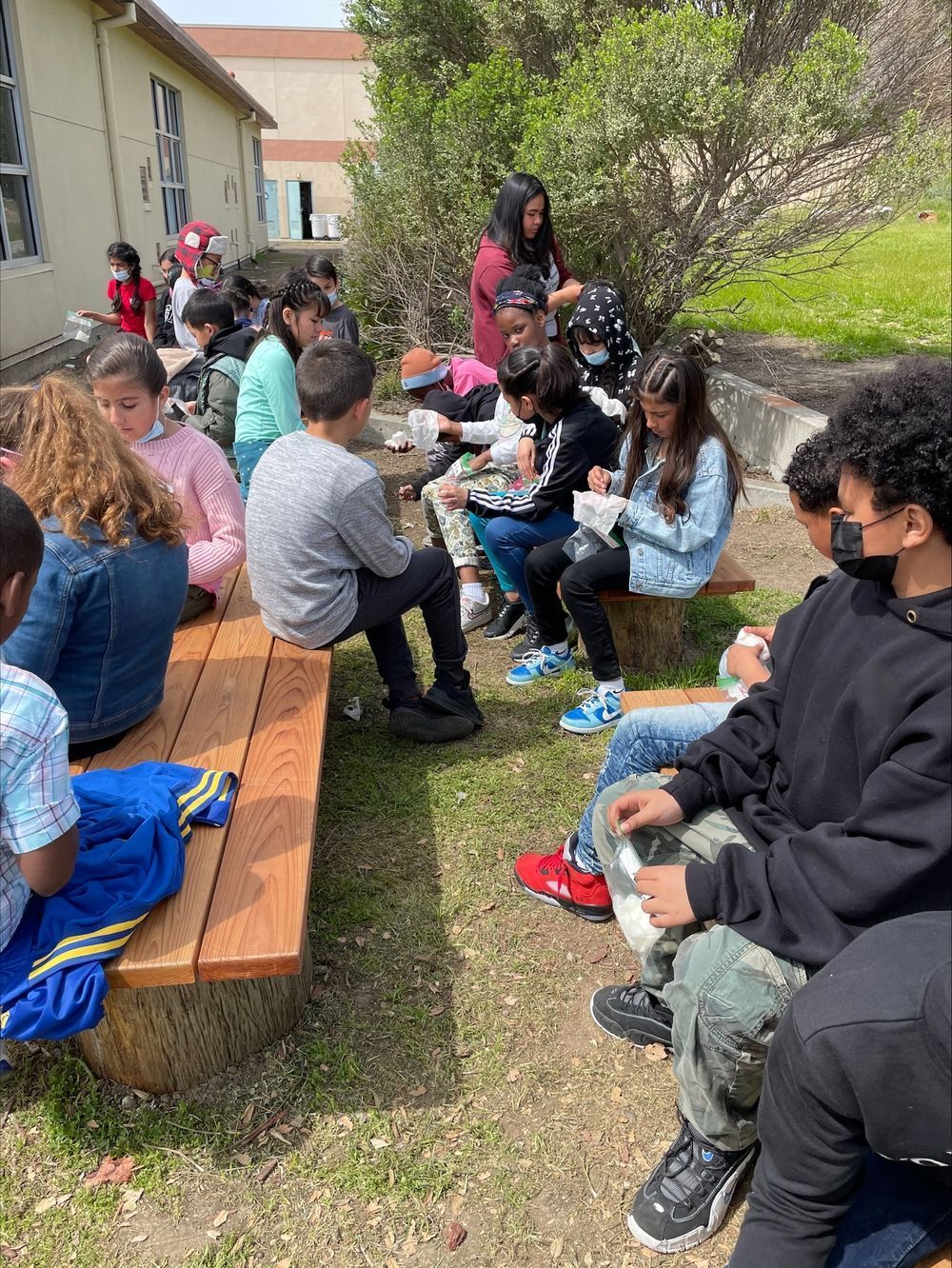
Students sit on log benches beside a school building during an outdoor lesson, some holding small plastic bags.
An outdoor lesson. Photo: Growing Together.

2026

The KIT Fund names school garden education

In 2026 California committed $500 million to fresh food access in schools through the KIT Fund. For the first time, hands-on food education in school gardens is an allowable use. Nobody applies for it: the money goes by formula to the nutrition services departments of SFAs that opt in. That opens a door for community-based organizations to partner with them.

Read the 2026 story
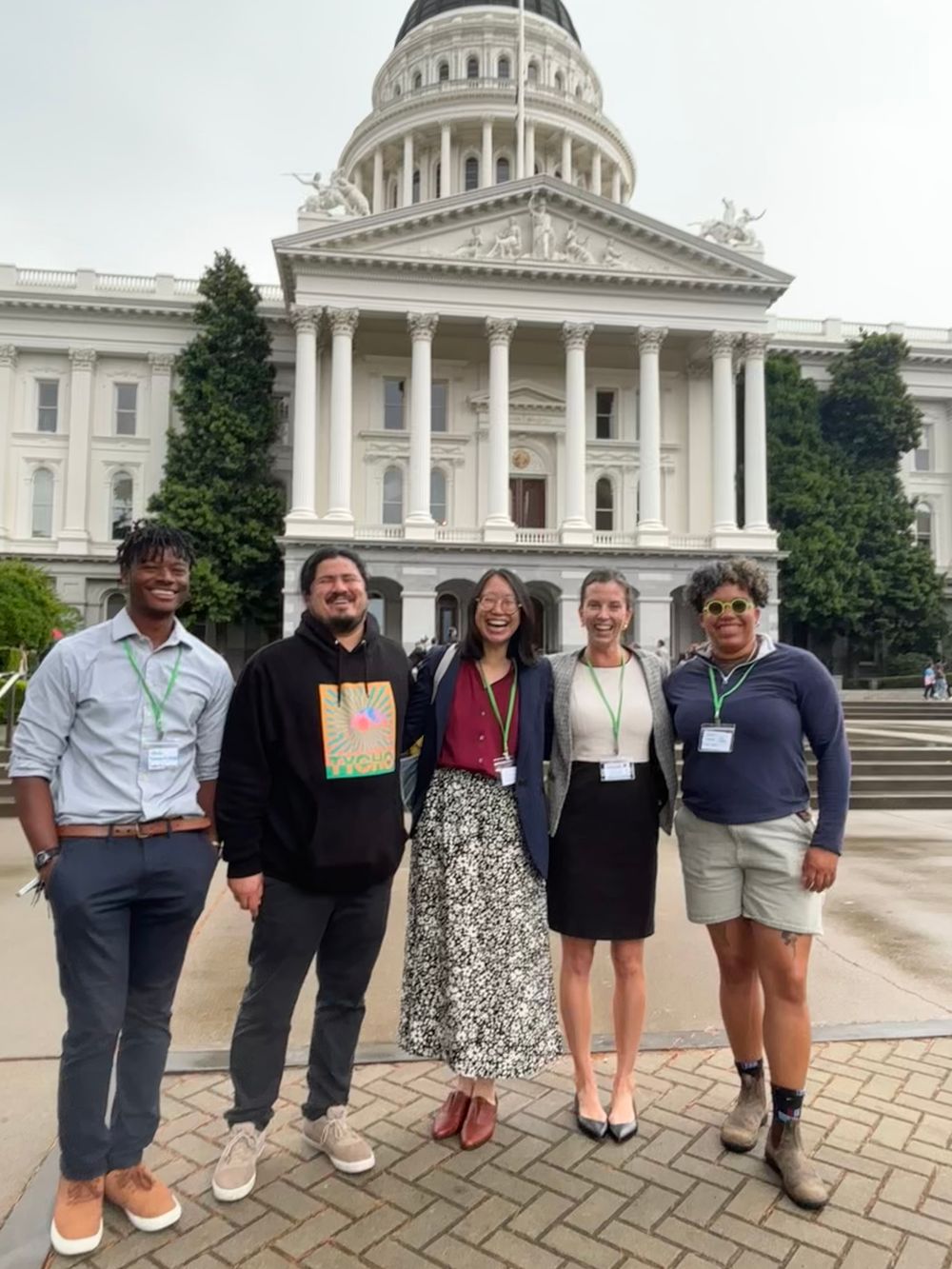
Advocates wearing conference lanyards smile in front of the State Capitol.
Advocacy Day, Sacramento, April 10, 2026.

2025

SB 341 built the relationships

SB 341 (Pérez, 2025) would have restarted California's unused, unfunded Instructional School Garden Program and added garden teaching and upkeep. More than 135 organizations signed on, four coauthors from both parties joined, and the Senate Education and Agriculture committees approved it unanimously. On May 23, 2025 the Senate Appropriations Committee, which reviews what bills cost, held it back, and it went no further.

Read the 2025 story
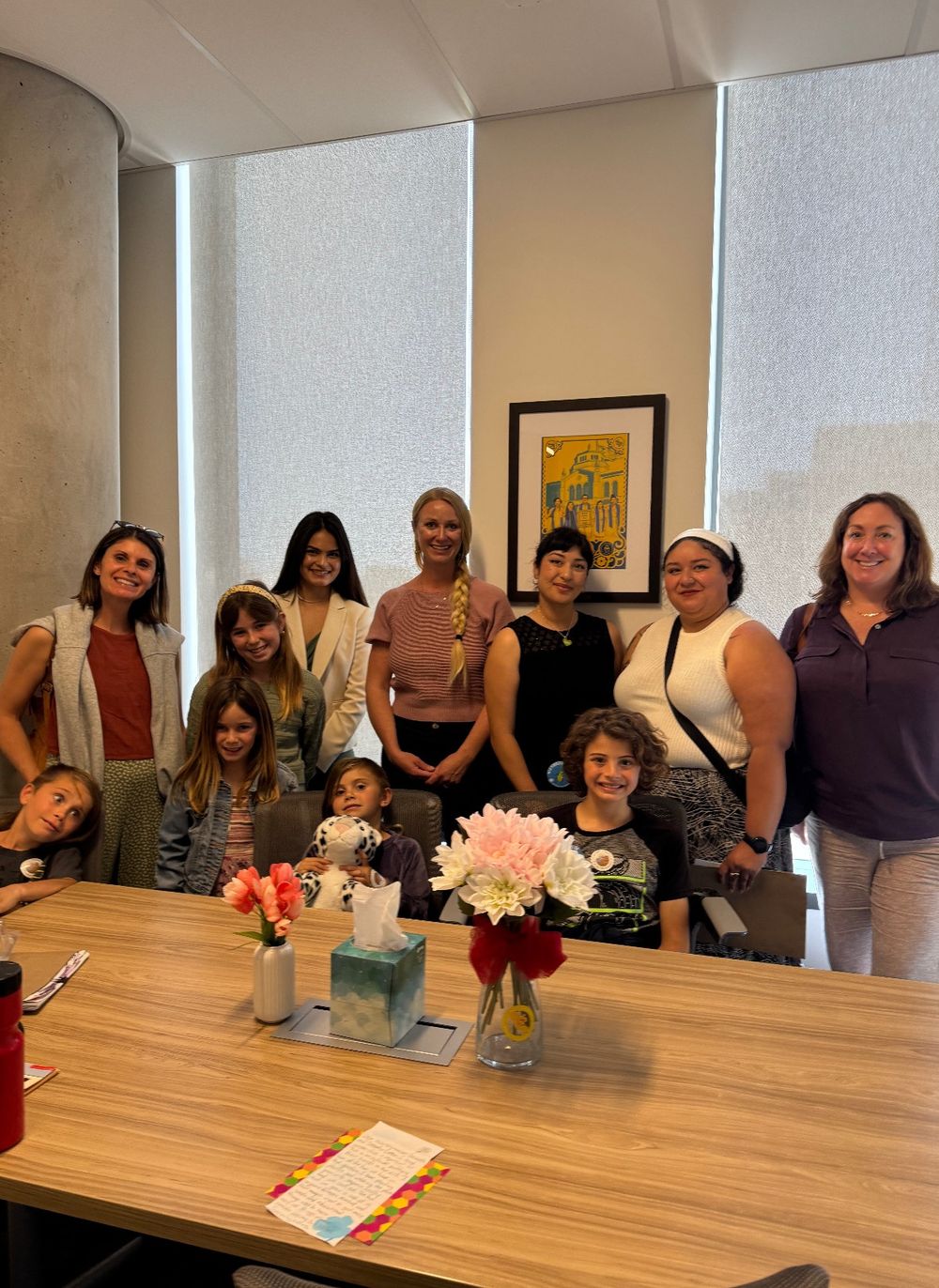
Advocates and children pose together behind a conference table in an office.
Advocacy Day, Sacramento, April 9, 2025.

2024

The data behind the case

How many California districts have a school garden, how many use it for education, and where the gaps are. The 2024 district-level analysis by the Ten Strands data initiative is the evidence behind our case.

See the data

475

Districts with evidence of a school garden, about half

Ten Strands, 2024

281

Districts with evidence of garden-based education

Ten Strands, 2024

2022 to 2023

The coalition forms

A self-selected group of organizations with deep experience building school gardens, running instructional programs and advocating for them came together in February 2022 to test whether a coalition could work and to prepare its launch. Partners first convened in August 2023.

Meet the founding partners

What informed our strategy

Know a study, a district program or a piece of history we should add? Write to us at hello@caschoolgardens.org.

Who made it happen

Hands-on food education is in the fund because of Senator Pérez and her office. Senator Laird backed the request in the budget process, and four senators coauthored SB 341 with her in 2025.